


Choosing the agent who lists your home is one of the biggest decisions you'll make in the selling process, and it's easy to get it wrong. A friendly personality and a nice headshot don't tell you whether someone can actually get your home sold for top dollar, on your timeline, with the least stress possible.
Here's what to really dig into before you sign a listing agreement.
Experience and Sales Volume: Find the Goldilocks Zone
Experience matters, but so does how that experience translates into actual production. When you're interviewing agents, ask how many homes they sell per year on average, and then think carefully about what that number means.
Too many sales, and you may find yourself handed off to a team member after your listing appointment instead of working directly with the agent you interviewed. That's not necessarily bad, but you should know upfront whether the person sitting across from you is the person who will actually manage your listing, or if that agent is simply too busy to give you the attention you need.
Too few sales, and you risk working with someone who is out of the loop. Real estate contracts change, market conditions shift quickly, and an agent who isn't actively in the field every week may not be current on pricing strategy, the latest contract language, or how to keep a transaction organized from listing to closing.
The sweet spot is an agent who sells consistently enough to stay sharp, but not so much that you become a number on someone else's assignment list.
Ask for Referrals, and Actually Call Them
A referral from a friend, neighbor, or family member is one of the most reliable ways to find a great agent, because you're hearing directly from someone who has already been through the process with them. Ask people in your life who they used, and more importantly, ask them how it actually went, not just whether the house sold.
This is also where the question of experience comes back into play. If you've bought and sold several homes before and you know the process inside and out, working with a newly licensed agent can actually work out well, especially if they're hungry, responsive, and well supported by their brokerage. But if you're new to the process or you only sell a home once every decade or two, a brand new agent is usually a risky choice for something this important.
The one exception worth knowing about: an agent who is newly licensed but who spent years working in real estate as a transaction coordinator or an assistant already understands contracts, timelines, and the moving parts of a deal. That kind of background can make up for a short license history.
Pay Attention to Their Tools, Marketing, and Tech
During your interview, notice what tools the agent actually uses, not just what they say they'll do. Ask them directly what they feel works best for them when it comes to marketing a property. A confident, specific answer about their marketing plan is a good sign. A vague answer is not.
It's also worth asking about virtual staging and how they're using AI in their business. Agents who are staying current with these tools are often better equipped to make your listing stand out online, where the vast majority of buyers begin their search.

Understand How They're Paid, Before You Sign

Don't be shy about asking an agent to explain exactly how they charge commission, and how that commission is structured for both sides of the transaction when you sign a listing agreement. A good agent will walk you through this clearly and answer follow up questions without getting defensive. This is your money, and you deserve to understand exactly where it's going before you commit.
Get Their Honest Opinion, and Ask About Open Houses
Ask the agent what they would change about your home to help it present better. An experienced agent should be able to walk through your home and give you specific, honest feedback, not just tell you it looks great. That honesty upfront can save you from a slow moving listing later.
While you're at it, ask how they approach open houses and broker opens. Some agents use them heavily as a marketing tool, others rarely hold them. Neither answer is automatically right or wrong, but you want to know their plan and their reasoning so it matches what you're comfortable with. 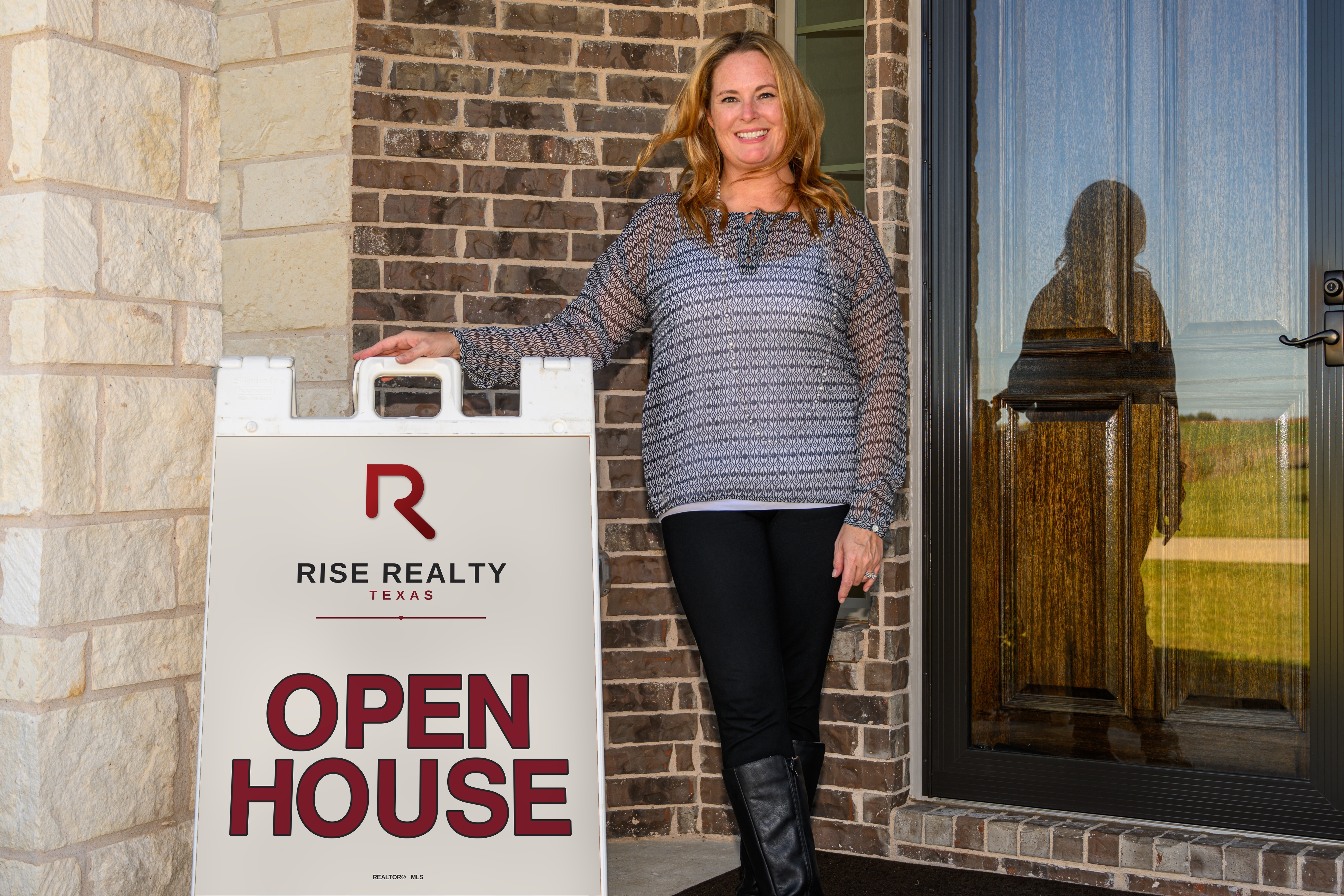
Ask How They Solve Real Problems
The best agents aren't just good at scheduling showings, they're good at solving the problems that come up along the way. A few questions worth asking directly:
- If you're still living in the home during the selling process, does the agent have a real solution for handling showings without it taking over your life?
- If you're low on cash reserves but your home needs some work before it goes on the market, does the agent have resources or vendors who can complete that work now and let you pay when the home closes?
- When it comes time to negotiate, is the agent creative enough to help both the buyer and seller get their needs met so the deal actually comes together, instead of walking away from the table?
These questions tend to separate agents who are simply present from agents who are genuinely working for you.
The Bottom Line: The right listing agent is experienced enough to know the market and the process inside and out, but still personally invested enough to give your home the attention it deserves. They should be upfront about how they're paid, confident in their marketing and their tech, honest about your home's presentation, and creative when it's time to get a deal done.
If you're getting ready to sell in the North Texas area and want an agent who checks every one of these boxes, I'd love to talk with you about your home and your goals.
|
|
Kelly Bishop
REALTOR® · BROKER · OWNER, RISE REALTY TEXAS
(903) 821-7227 · kelly@riserealtytexas.com
|