
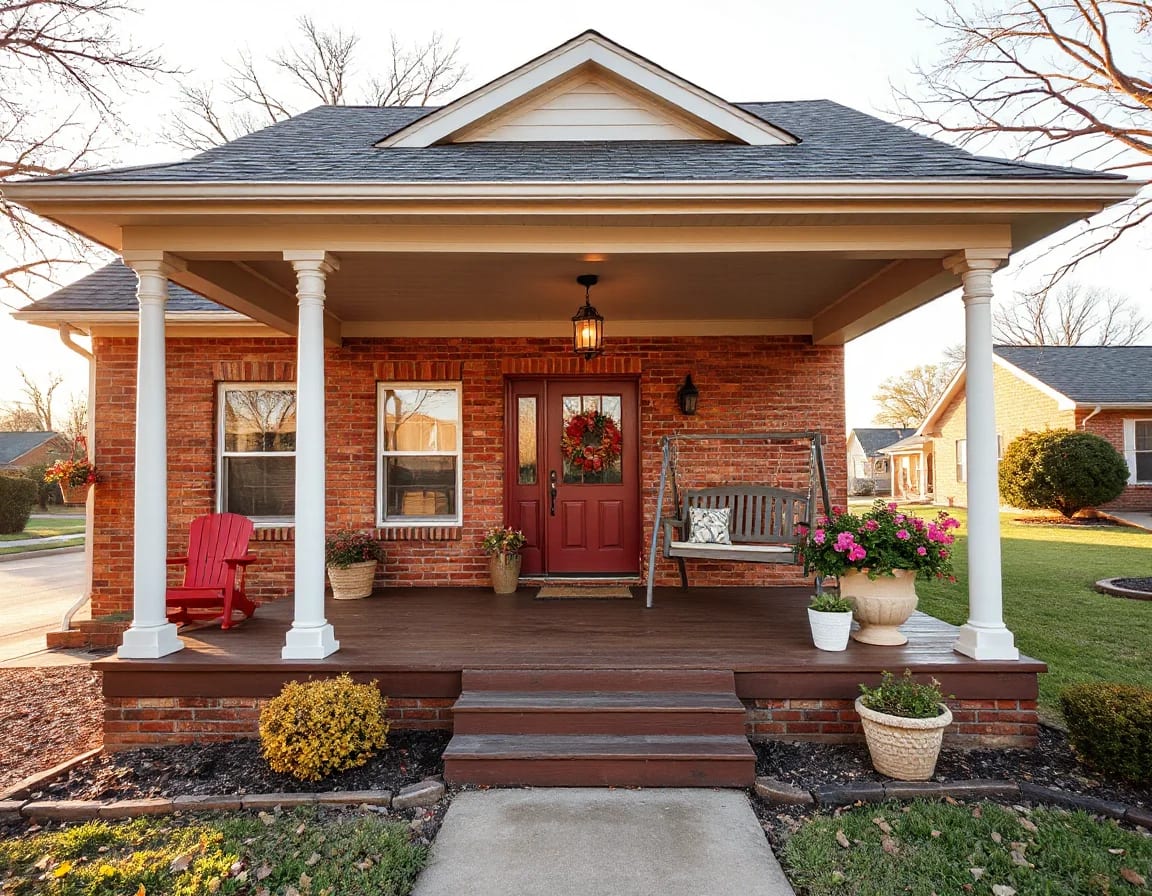
Buying your first home in Van Alstyne can feel simpler when you break the process into a few smart, practical moves. From financing prep to inspection strategy, the steps below are designed to reduce surprises, keep your budget grounded, and help you move forward with more clarity. If you are exploring starter-home options in this North Texas market, a little preparation can make each decision easier.
Why first-time buyers often feel pressure in a fast-moving market
Getting started is exciting, but it can also feel like every choice carries extra weight. In Van Alstyne, buyers often balance affordability, commute patterns, lot size, property condition, and future resale potential all at once. That mix can create stress long before an offer is written, especially when inventory changes quickly and mortgage costs affect monthly payments more than many people expect.
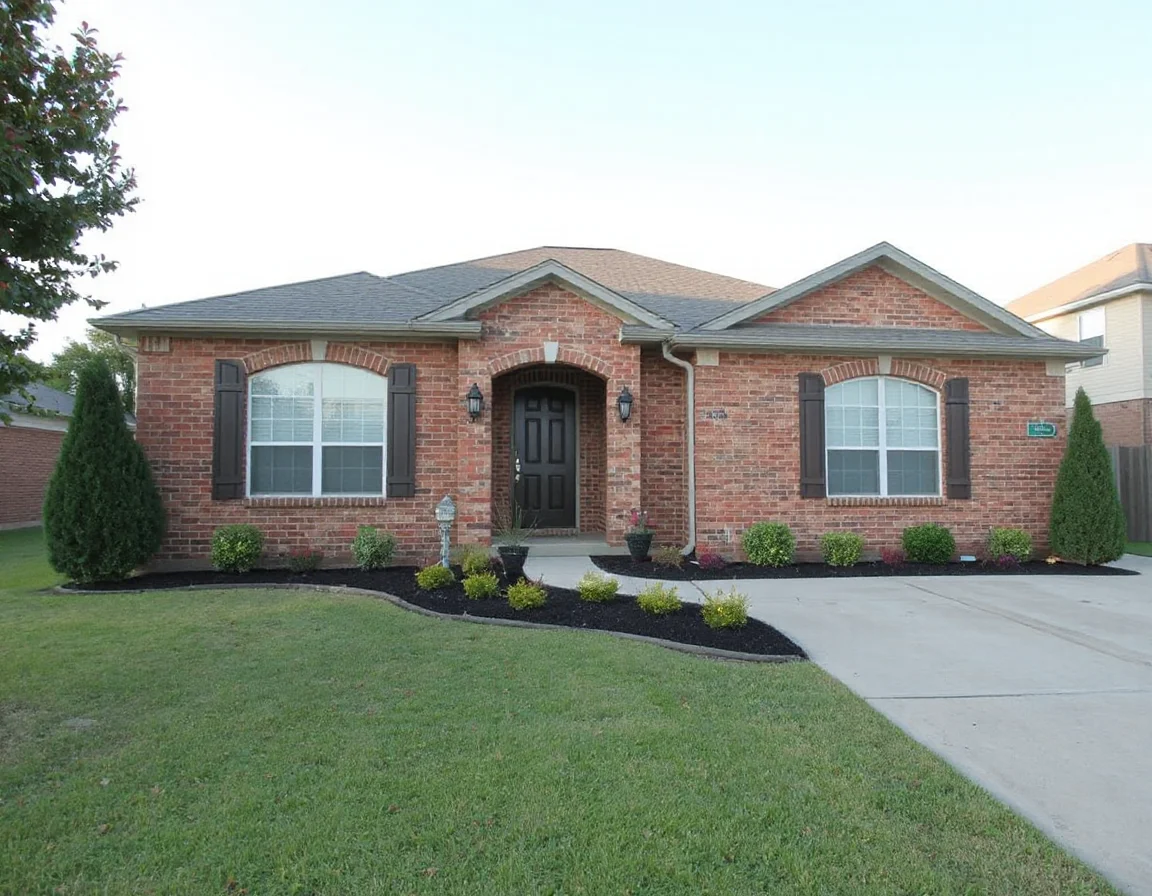
That is why the best first move is not touring houses nonstop. It is building a plan before emotions take over. Rise Realty Texas works from a practical perspective here: the home search is smoother when financing, timing, and non-negotiables are defined early. With Kelly Bishop’s real estate experience dating back to 2004 and a lending background that helps clients think through financing-related considerations, buyers can approach the process with more structure instead of reacting to each new listing.
The goal is not to predict everything. It is to eliminate the most common pain points so that when the right property appears, you are ready to evaluate it calmly and quickly.
A first-time purchase often becomes less stressful the moment the monthly payment target is set before the search begins. That number narrows choices faster than square footage alone.
The first four moves that create breathing room
1. Set a payment comfort zone, not just a maximum approval amount. Mortgage approval tells you what a lender may allow, but that is different from what feels sustainable month to month. Include principal, interest, taxes, insurance, HOA dues if applicable, and a cushion for maintenance. This one step prevents the common mistake of shopping too high and then feeling squeezed later.
2. Organize your documents early. Gather pay stubs, tax returns, bank statements, and any explanation for unusual deposits or account activity. When financing is involved, speed matters. A clean file can reduce delays and help your offer look stronger when timing is tight.
3. Define your “must-have” list in plain language. Focus on items that truly change daily use of the home: number of bedrooms, preferred layout, garage needs, yard size, and approximate location preferences based on commute or access to everyday amenities. Keep cosmetic preferences separate from structural priorities so you do not rule out workable homes too early.
4. Learn the local pricing rhythm. Spend time reviewing asking prices, days on market, price reductions, and how home condition affects value. In a market like Van Alstyne, two homes with similar square footage can feel very different once lot size, updates, and neighborhood setting are considered.
When buyers understand those first four pieces, they stop feeling like every listing is a surprise. Instead, each home becomes easier to compare against a clear plan.
Moves five through seven help you avoid expensive surprises
5. Build room in your budget for post-closing costs. Even well-maintained homes can need immediate purchases such as blinds, appliances, minor repairs, or landscaping tools. Buyers who reserve funds for the first 90 days after closing usually feel more comfortable than those who use every available dollar on the down payment and closing costs.
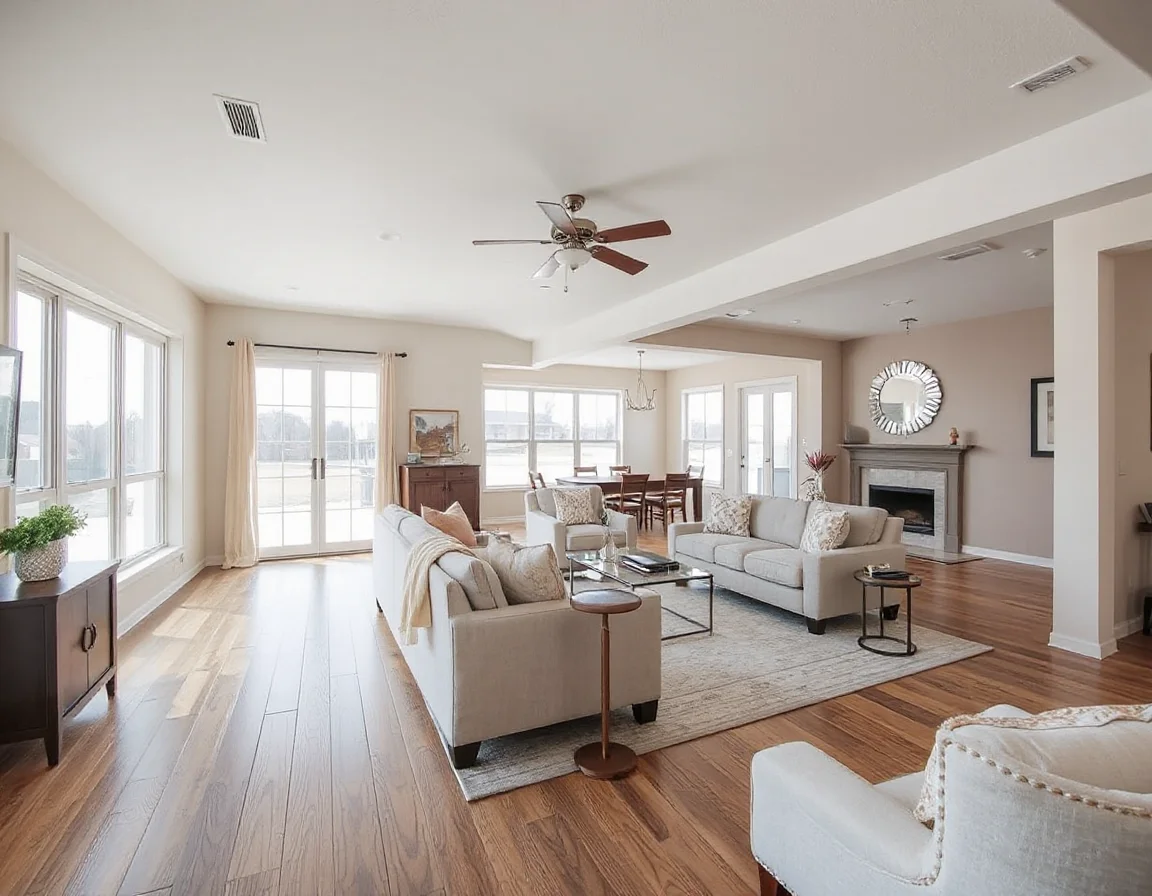
6. Use inspections to understand the property, not just to find reasons to walk away. A home inspection is one of the best stress-reduction tools in the entire process. It gives context for roof age, HVAC condition, plumbing, electrical systems, grading, and maintenance items. Some issues are routine and manageable; others may affect pricing strategy or whether a home still fits your comfort level. The key is knowing which is which.
7. Stay flexible on finishes if the layout and location work. Paint colors, light fixtures, and cabinet hardware can usually be changed over time. Floor plan problems, awkward site placement, or a monthly payment that feels too high are much harder to fix. Keeping that distinction in mind helps buyers avoid passing on solid homes for cosmetic reasons alone.
Van Alstyne appeals to many buyers because it offers a growing small-city environment with access to North Texas employment centers, newer subdivisions, and a mix of established and newer housing options. That means first-time buyers may see both move-in-ready homes and properties that need a few updates. Neither is automatically better; the right choice depends on cash reserves, project tolerance, and timing.
Inspection reports often look intimidating because they are thorough by design. What matters most is separating routine maintenance items from issues that materially affect cost, safety systems, or future repairs.
If you are comparing homes across nearby communities as well, looking at surrounding inventory can sharpen your sense of value and tradeoffs.
The eighth move: choose guidance that keeps decisions clear
8. Work with professionals who explain the process in a way that reduces uncertainty. First-time buyers usually do not need more noise; they need cleaner information. That includes realistic pricing guidance, thoughtful offer strategy, and help understanding financing timing, appraisal issues, and negotiation options. Clear communication can lower stress as much as any market condition can.
This is where experience matters. An agent who has worked through different market cycles can help you distinguish between urgency and panic. A lending-informed perspective can also help you see how rate changes, seller concessions, prepaid items, and closing structures affect the full picture rather than just the list price. Reviews describing responsive and hardworking service are especially relevant for first-time buyers, because quick answers often keep small questions from becoming big worries.

For many buyers, the emotional turning point comes when they realize they do not have to know everything on day one. You simply need a reliable framework: know your payment target, organize your paperwork, define priorities, study local pricing, reserve extra cash, use inspections well, stay flexible on cosmetics, and lean on solid advice when choices get complicated.
Van Alstyne starter homes can offer an appealing entry point into homeownership, but the least stressful path is usually the most disciplined one. When you treat the search as a series of manageable decisions instead of one giant leap, the process becomes more confident, more informed, and much more enjoyable from showing to closing.