

Choosing between Sherman and Denison takes more than comparing list prices. The better move usually comes down to inventory, commute patterns, age of housing stock, lot size, financing flexibility, and how fast homes are moving in each market. This guide breaks down six practical signals so you can compare both cities with a clearer lens before you schedule tours or submit an offer.
Start With the Market Pace, Not Just the Price Tag
It is easy to focus on headline numbers first, but price alone rarely tells the full story. Two homes with similar square footage can feel very different in value depending on how quickly inventory is moving, how many similar properties are available, and whether sellers are receiving strong competition. When comparing Sherman and Denison, one of the smartest first steps is to ask how each market is behaving week to week, not just what the average asking price happens to be today.

In practical terms, that means looking at days on market, recent price adjustments, and how often listings go pending after the first weekend. A market with lower asking prices can still be more competitive if inventory is limited and buyers are acting quickly. On the other hand, a market with slightly higher prices may offer more negotiating room if there are more active listings to choose from. Buyers who understand this difference tend to make stronger decisions because they are reacting to market conditions rather than assumptions.
If one city has more active listings in your price range, that can create valuable breathing room for inspections, financing timelines, and negotiation strategy.
For anyone relocating within Grayson County or arriving from outside the area, this signal matters because it shapes your experience from the first showing to the closing table. Sherman often draws attention from buyers tracking new development and regional growth, while Denison can appeal to buyers watching for established neighborhoods and a different mix of housing options. Neither is automatically the better choice; the key is understanding which pace fits your goals.
Compare Inventory by Home Type and Age of Construction
Another major signal is the type of homes that are consistently available in each city. Sherman and Denison both offer a range of properties, but the mix can feel different depending on whether you are looking for newer construction, an established home with mature landscaping, a smaller footprint near daily conveniences, or more land on the edge of town. Inventory composition affects maintenance expectations, utility efficiency, renovation costs, and even insurance quotes.
In many searches, Sherman may show more new-build or recently built options in developing areas, while Denison often includes homes with longer-established character and a broader spread of ages in the housing stock. That difference can shape your monthly budget in subtle ways. A newer home may offer fewer immediate repairs, but an older home with updates may deliver a larger lot, distinct architectural details, or a location closer to established parks and local gathering spots.
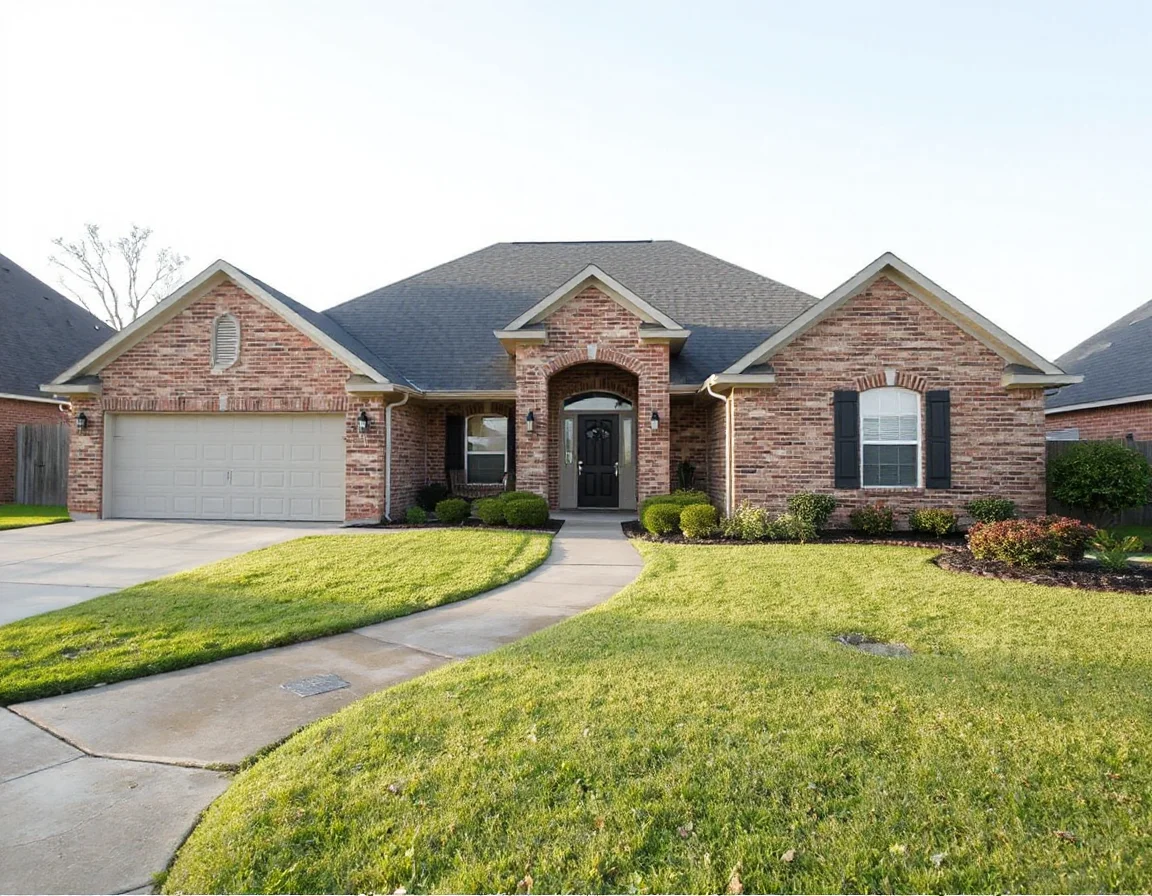
When comparing the two, try sorting listings by year built and then by price band. That simple exercise often reveals where your money buys more square footage, where lot sizes begin to widen, and where updates become more common. For buyers using financing, this is also where Kelly Bishop’s lending background can be especially helpful, because condition, appraisal support, and repair issues can all affect the path from contract to closing.
It also helps to think beyond the front door. A slightly older property with strong maintenance records may compete very well against newer construction, especially if the layout, storage, garage space, or outdoor use area fits your priorities better. The best comparison is rarely “new versus old.” It is usually “which total package works better for how I want to live day to day?”
Watch the Commute Web and Daily Convenience Pattern
One of the most underrated market signals is how a location supports your regular routines. Commute time is part of that, but so is the broader pattern of access: grocery runs, medical appointments, recreation, highway connections, and how often you expect to travel between Sherman, Denison, and other nearby destinations. A home can look like a bargain online and still feel less convenient once you map real movement patterns across a typical week.
Sherman’s growth story often enters this conversation because expanding commercial activity and development can influence where buyers focus their searches. Denison, meanwhile, may stand out for buyers who prefer certain established routes, proximity to Lake Texoma access points, or a particular street grid and neighborhood rhythm. The point is not to label one better than the other, but to measure how each location functions for your personal schedule.
Drive times should be tested during realistic hours whenever possible. Morning traffic, school-zone congestion, rail crossings, and weekend activity near major routes can all shift the way a location feels. Buyers who physically test these routines before offering often avoid the regret that comes from choosing only by photos and square footage.
A ten-minute difference on a map can feel much bigger when it affects every workday, recurring appointment, or frequent trip to the lake.
Look at Lot Size, Neighborhood Pattern, and Long-Term Flexibility
Beyond the house itself, the land and surrounding pattern of development matter. In Sherman and Denison, lot sizes, alley access, corner placement, subdivision rules, and the balance between older blocks and newer phases can all change the way a property works over time. If you want room for outdoor projects, extra parking, a workshop, or simply more separation between homes, this signal deserves close attention.

Some buyers discover that a smaller, newer lot is a worthwhile trade for a newer floorplan and modern systems. Others decide they would rather have more outdoor space and accept a longer list of cosmetic updates. Neither answer is wrong. The goal is to identify what will still feel useful two or three years from now, especially if your work setup, storage needs, or travel habits change.
It is also smart to observe what surrounds the listing. Are nearby properties similar in upkeep and scale? Is there visible evidence of reinvestment on the block? Are there parks, trails, or civic amenities nearby that support resale appeal later? These are objective, practical details that help frame the full value of the address.
For sellers making this comparison before deciding where to buy next, lot and neighborhood pattern matter for resale timing too. Homes with broad appeal in terms of layout, condition, and outdoor usability often attract more consistent showing activity when market conditions tighten.
Use Financing Reality as a Tiebreaker
Sometimes the deciding factor between Sherman and Denison is not emotional preference at all; it is financing fit. Property taxes, insurance estimates, condition-related repairs, down payment strategy, and appraisal trends can make one option more practical even when the purchase price looks similar. A house that appears less expensive upfront may require more cash for repairs or improvements, while a slightly higher-priced home may produce fewer surprises after inspection.
This is where buyers benefit from working with an agent who understands both market behavior and financing-related considerations. Kelly Bishop’s background in lending can help clients think through payment structure, pre-approval strength, and the downstream impact of repair negotiations. That perspective is especially useful when comparing older homes, recent flips, or listings with features that may draw additional lender scrutiny.
In other words, the best move is not simply the house you can buy. It is the house you can buy comfortably, maintain confidently, and still feel good about after closing costs, reserves, and move-in priorities are accounted for.
The Best Choice Is the One That Matches Your Real Priorities
Sherman and Denison each offer strong reasons to take a closer look, and the smarter decision usually comes from comparing the market through clear signals instead of broad impressions. Watch pace, inventory mix, daily access, lot flexibility, and financing fit. When those pieces line up, the right choice tends to become much easier to see.
If you are narrowing your options, touring both cities with a defined checklist can save time and sharpen your judgment. Instead of asking which city is “better,” ask where your budget, timing, and property goals line up most naturally. That shift often turns a complicated comparison into a confident next step.