

A home tour can feel exciting, but the real leverage often comes from the details buyers notice before opening the front door. In Van Alstyne, pricing clues like days on market, recent reductions, lot comparisons, and builder incentives can reveal whether a listing is aligned with current conditions or leaves room for negotiation. Read these seven signals first so your tour schedule starts with sharper expectations and better questions.
Why pricing clues matter before you book a tour
It is easy to let photos, finishes, and curb appeal set the tone for a home search. But smart buyers usually gain more by studying the listing itself first. A property’s asking price is not just a number; it reflects timing, competition, seller strategy, and how the home compares with nearby inventory. In a market like Van Alstyne, where buyers may see a mix of established homes, newer construction, and properties on larger lots, those details can create very different value stories even when list prices appear close.
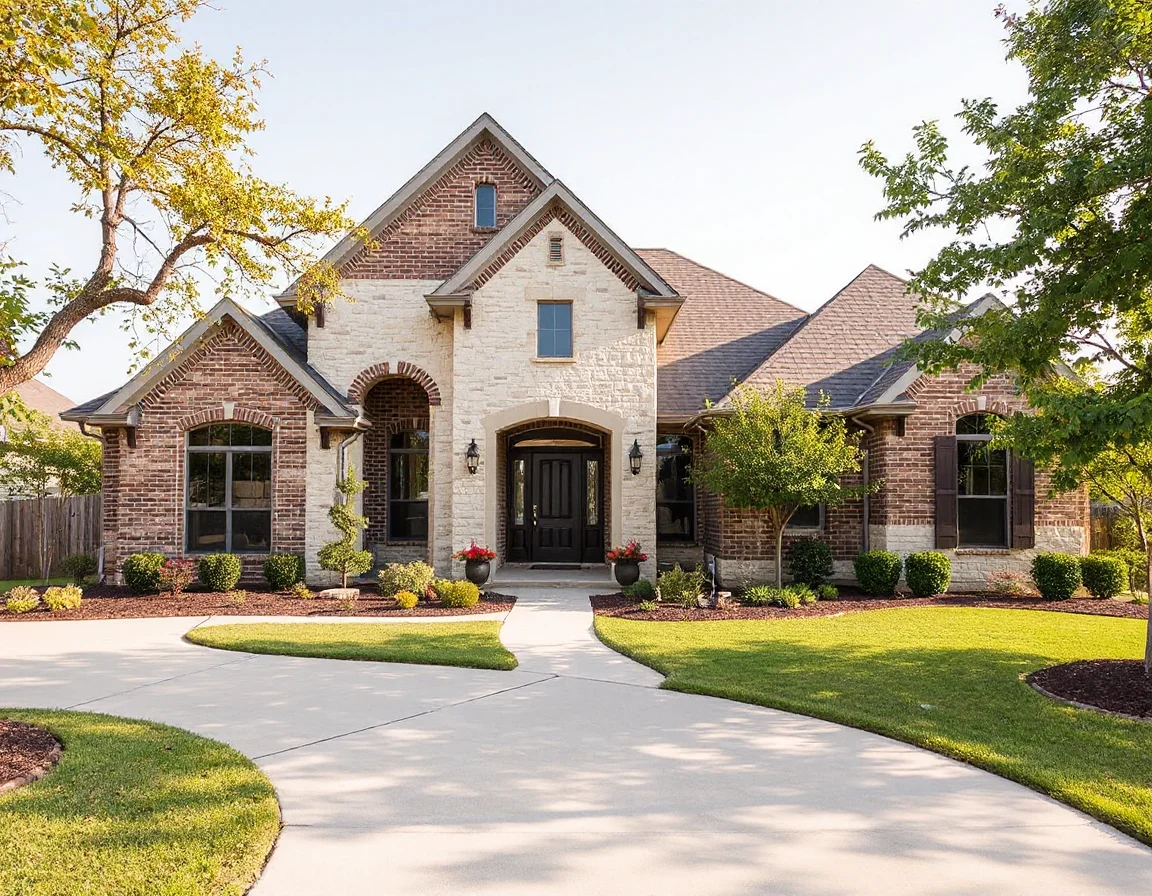
Reading price clues before touring helps you decide where to spend your time. It can also help you avoid falling in love with a home that may be priced above the surrounding data or, on the other hand, rushing past a listing that could be a strong value once you understand what is included. Buyers who prepare this way often ask better questions during showings, compare options more clearly, and move with more confidence when the right opportunity appears.
That preparation becomes even more useful when financing is part of the equation. Monthly cost, rate sensitivity, taxes, insurance, and possible repairs all connect back to list price. Kelly Bishop’s lending background can be especially helpful here, because pricing does not stop at the sales contract; it affects the whole budget conversation.
1) Days on market can reveal more than popularity
One of the first things to check is how long a home has been listed. A fresh listing may be priced to test demand, while a property that has been available longer can mean several things: it may have started too high, missed the mark on presentation, or simply faced stronger nearby competition. None of those automatically makes it a poor choice. In fact, longer market time can create room for a more measured negotiation.
If two similar homes have comparable features but one has been listed noticeably longer, that timing difference can shape both offer strategy and seller flexibility.
What matters is context. A home that has been on the market for several weeks may deserve a closer look if competing listings have gone pending. Ask whether the current price reflects a recent adjustment and whether the home has had meaningful showing activity. If the listing is still sitting at its original number after limited response, that can be a clue that buyers in the market are seeing value elsewhere.
2) Price reductions are signals, not guarantees
A price drop gets attention, but it should not be treated as an automatic bargain. The important question is why the reduction happened. Sometimes a seller starts high and corrects quickly to align with current demand. Other times, several reductions simply bring the property closer to where it should have been from the beginning.
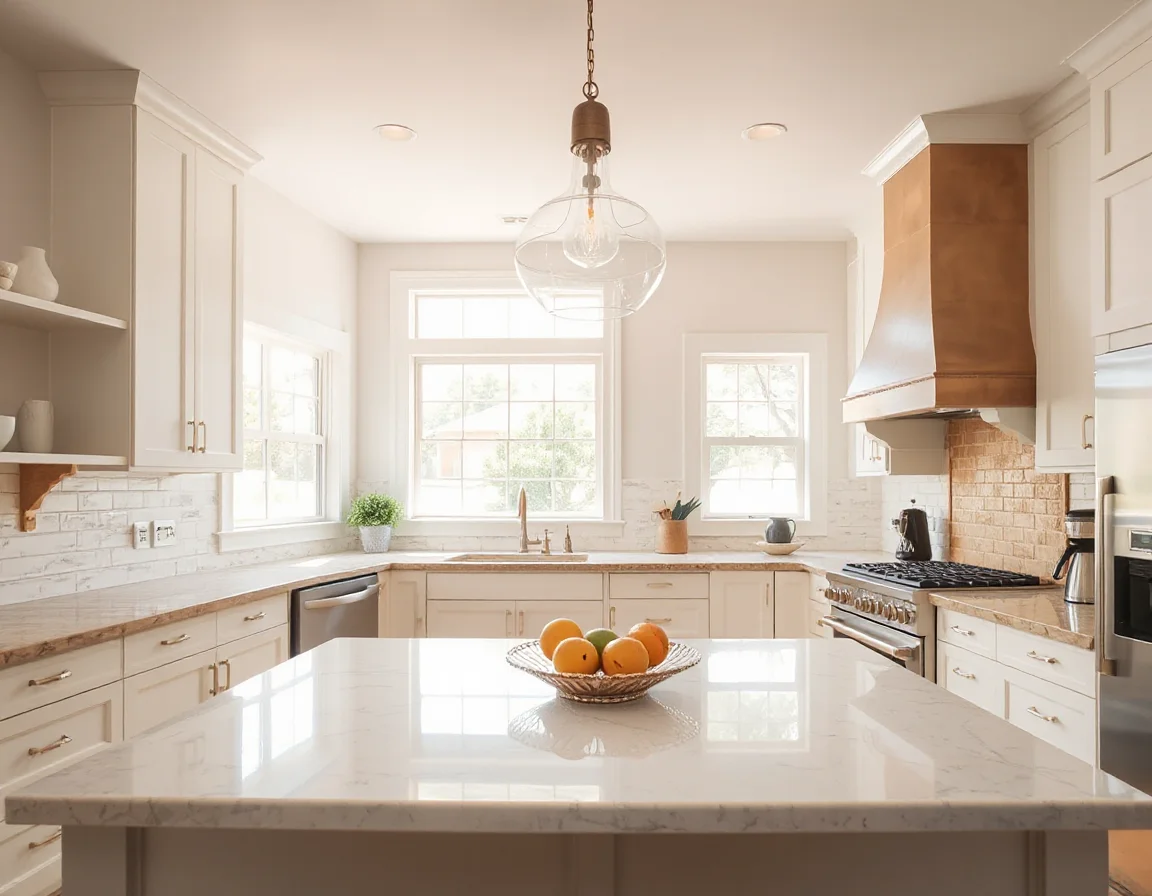
Look at the size and timing of the reduction. A small cut after a very short market period may be a strategy move. A larger reduction after multiple weeks can indicate stronger pressure to meet the market. Compare the new price to homes of similar size, age, lot type, and condition rather than focusing on the reduction amount alone. A $20,000 drop sounds dramatic, but if the home still sits above nearby alternatives, the adjustment may not change the real value picture much.
It is also worth noting whether anything else changed alongside the price. New photos, updated remarks, repair work, or improved staging can suggest the seller is actively trying to reposition the listing instead of merely trimming the number.
3) Price per square foot only works when the comparison is clean
Buyers often use price per square foot as a shortcut, and it can help, but only when the homes being compared are genuinely similar. A one-story home with a functional layout, updated finishes, and a larger usable lot may command a different price than a larger two-story home with more square footage but less efficient space. Garages, outdoor living areas, lot shape, and renovation quality all influence value in ways a simple square-foot calculation does not capture.
That is why this metric works best as a starting point, not a final answer. If one Van Alstyne listing stands out as much higher than nearby homes on a price-per-foot basis, look for the reason. It may include newer construction, stronger finish quality, or site advantages. If you cannot identify a clear reason, that is a useful clue before touring.
Similarly, a lower price per square foot is not always the better buy. It could reflect needed updates, an unusual floor plan, or deferred maintenance that will affect your overall cost after closing.
4) Builder incentives can change the real cost of a newer home
When buyers compare resale homes with newer construction, the list price alone may not tell the full story. Builders sometimes offer closing cost assistance, rate buydown options, design package upgrades, or other incentives that effectively change the financial picture. Those items may not appear obvious in headline pricing, but they can matter a great deal when you compare monthly payments and upfront cash requirements.
A home with a slightly higher list price may still be the better financial fit if incentives reduce closing costs or improve the effective interest rate.
That does not mean every incentive is equal. Some benefits are more valuable than others depending on your timeline and financing plan. A cosmetic upgrade may be appealing, while a rate buydown may deliver stronger practical savings. Reviewing these details before touring helps you compare homes on realistic terms instead of sticker price alone.
In a market where buyers may consider both established neighborhoods and newer communities, this clue is especially important. The right question is not just “What is the asking price?” but “What is the complete cost picture attached to this asking price?”
5) Lot, location, and backing conditions influence value quickly
Two homes with similar interior features can feel very different once you factor in lot size, privacy, street placement, and what the property backs to. A corner lot, greenbelt view, open field, or quieter interior street can support a stronger price than a home with more traffic exposure or a tighter backyard relationship to neighbors. These are not subjective niceties; they are real value variables buyers repeatedly weigh.

Before touring, study the map view as closely as the photo gallery. You may notice whether a property backs to open land, sits near neighborhood amenities, or has a lot configuration that affects outdoor use. If a listing price looks high at first glance, the lot may explain part of the premium. If it looks low, the location within the neighborhood may be a factor worth understanding before you arrive.
This step also helps keep your search focused. Once you identify which lot traits matter most to you, you can sort listings more efficiently and avoid comparing homes that only seem similar on paper.
6) Recent comparable sales matter more than older headline numbers
One of the strongest pricing clues is how recently similar homes actually sold. Buyers sometimes anchor to what they heard six months ago, but the best guidance comes from the most current comparable sales and active competition. A home priced in line with spring sales may not fit late-summer conditions if inventory has shifted. The reverse can also be true if newer listings are entering at higher numbers due to demand and limited supply in a specific segment.
Focus on comparable homes with similar age, condition, lot profile, and community setting. Pending sales can also be useful because they show where buyers are willing to engage right now, even if final closing data is not yet public. This is one of the clearest ways to separate aspirational pricing from market-supported pricing.
Ask about current Van Alstyne pricing
7) Condition costs should be part of the price conversation
Finally, read the list price through the lens of likely post-closing costs. Roof age, HVAC condition, flooring wear, appliance updates, and cosmetic refresh needs all affect value. A lower-priced home may still require enough work to exceed the cost of a more polished option. On the other hand, a well-maintained home with documented upgrades may justify a stronger asking price because it reduces near-term spending and uncertainty.
Try to estimate not only what a home is worth today, but what it will cost to make it function the way you want. That broader view gives you a better basis for comparing listings before you tour and helps prevent emotional decisions from overtaking practical math.
When you read these seven clues together, tours become more productive. You are not just walking through homes and reacting to finishes; you are testing whether the pricing story holds up in person. That is a much stronger position for any buyer entering the Van Alstyne market, and it is often the difference between simply seeing houses and recognizing real opportunity when it shows up.