

Small condition issues can shape a buyer’s impression long before they get to the heart of the home. In Howe, the exterior approach, entry sequence, lighting, paint touch-ups, and flooring transitions often influence whether a showing feels move-in ready or like a future project. This guide breaks down five seller fixes that tend to stand out quickly, along with practical ways to prioritize time and budget before listing.
First impressions start at the curb, not the kitchen island
When buyers step out of the car, they are already noticing details. They are taking in the driveway, front walk, trim condition, landscaping edges, gutters, and the overall sense of upkeep. That first minute matters because it sets expectations for everything inside. If the outside feels neglected, many buyers assume deferred maintenance may continue throughout the property, even when the kitchen and living spaces show well.

One of the most noticeable fixes is also one of the simplest: clean up the entry approach. Pressure washing concrete, trimming overgrowth, replacing a worn mailbox, and making sure the front door area looks crisp can change the tone of a showing immediately. Buyers often interpret cleanliness and consistency as signals that the home has been cared for over time.
In Howe, where buyers may compare newer builds, established neighborhoods, and homes with more land, exterior presentation can help a property compete across price points. A neatly maintained yard does not need elaborate landscaping. It just needs to look intentional, visible from the street, and easy to maintain.
A modest exterior refresh often has outsized impact because it shapes expectations before a buyer evaluates room size, finishes, or storage.
Focus on what looks unfinished or weathered first. Faded shutters, peeling trim, loose house numbers, and stained porch surfaces attract attention faster than sellers expect. These are often affordable fixes, yet they can make the home feel far more polished before anyone reaches the front hallway.
The front door and entryway set the tone for the whole showing
After the curb appeal check, buyers move straight to the threshold. This is where scuffed doors, sticky locks, worn mats, dusty sidelights, or dim entry lighting can make a strong negative impression. Sellers sometimes spend heavily on back-of-house updates while overlooking the exact moment a buyer physically enters the home. That transition point matters.
A freshly painted front door in a classic, neutral tone can instantly sharpen the look of the exterior. Inside, the entry should feel bright, open, and free of friction. If shoes, coats, packages, or extra furniture crowd the space, the home can feel smaller than it is. Even in homes without a formal foyer, the first several steps inside should feel clean and easy to navigate.
Lighting plays a major role here. Replace mismatched bulbs, make sure fixtures are dust-free, and choose warm, consistent light levels throughout the front rooms. Buyers notice dark corners, especially if they are touring multiple homes in a day. A bright entry encourages them to keep looking with a positive mindset rather than mentally tallying projects.
For sellers preparing to list, this is where experienced guidance helps. A walkthrough that identifies what buyers will notice first can save time and keep spending focused on visible return rather than hidden over-improvements.
Paint touch-ups and wall condition are more visible than sellers think
Once buyers are inside, their eyes move quickly across walls, ceilings, trim, and corners. Nail holes, uneven patches, scuffed baseboards, and touch-up paint that does not quite match are common distractions. These issues may seem minor to someone who lives in the house every day, but during a showing they stand out because buyers are actively scanning for condition clues.

Neutral paint does not mean every room has to feel bland. It means the surfaces look fresh, cohesive, and well maintained. In many cases, sellers do not need a full interior repaint. They need targeted repairs in the most visible areas: main living spaces, hallway walls, the entry, and any room with bold color that may pull attention away from the home itself.
Ceilings deserve the same level of scrutiny. Small stains, cracked caulk lines, or vent covers with dust buildup are all details buyers may clock immediately. If there has been a past repair, the finish should look complete, not temporary. Buyers are typically more comfortable with a home that shows clean, finished maintenance than one with a list of little visual reminders.
If a buyer notices three or four unfinished cosmetic issues in the first ten minutes, they may start estimating larger repairs even when the major systems are in solid shape.
Trim and doors matter too. Freshly cleaned baseboards, touched-up door casings, and hardware that works smoothly help reinforce the sense that the property is ready for the next owner. These are subtle upgrades, but together they reduce friction and help buyers focus on layout and livability.
Flooring transitions tell buyers how well the home has been maintained
Before buyers ever evaluate countertops, they are feeling the house underfoot. Flooring is one of the fastest ways to communicate either continuity or disruption. Stained carpet, loose thresholds, chipped tile, uneven transitions, or several flooring types jammed together can make the property feel patched over rather than thoughtfully maintained.
In Howe, many buyers are comparing function as much as style. They want to understand how the home lives day to day, and flooring plays a big role in that impression. If the main traffic paths feel clean and cohesive, buyers tend to experience the house as better organized and easier to care for.
That does not always mean replacing every surface. Professional carpet cleaning, grout refresh, replacing damaged planks, or fixing transition strips can go a long way. The key is eliminating the spots that catch a buyer’s eye or literally interrupt their walk through the home. Any place where the floor feels unfinished can become a mental deduction.
If a seller is deciding where to spend money, visible flooring repairs often rank higher than a decorative update buyers may not have asked for. The goal is to reduce obstacles, both physical and visual, so the showing feels smooth from room to room.
Bathrooms, utility areas, and odors can outweigh a nice kitchen
It is easy to assume buyers fixate on the kitchen first, but many are just as alert to bathrooms, laundry areas, mudrooms, and utility spaces. These rooms reveal cleanliness, maintenance habits, and how carefully the home has been prepared. Loose caulk, rust marks, dated light bulbs, dripping faucets, and cluttered shelves all stand out quickly.
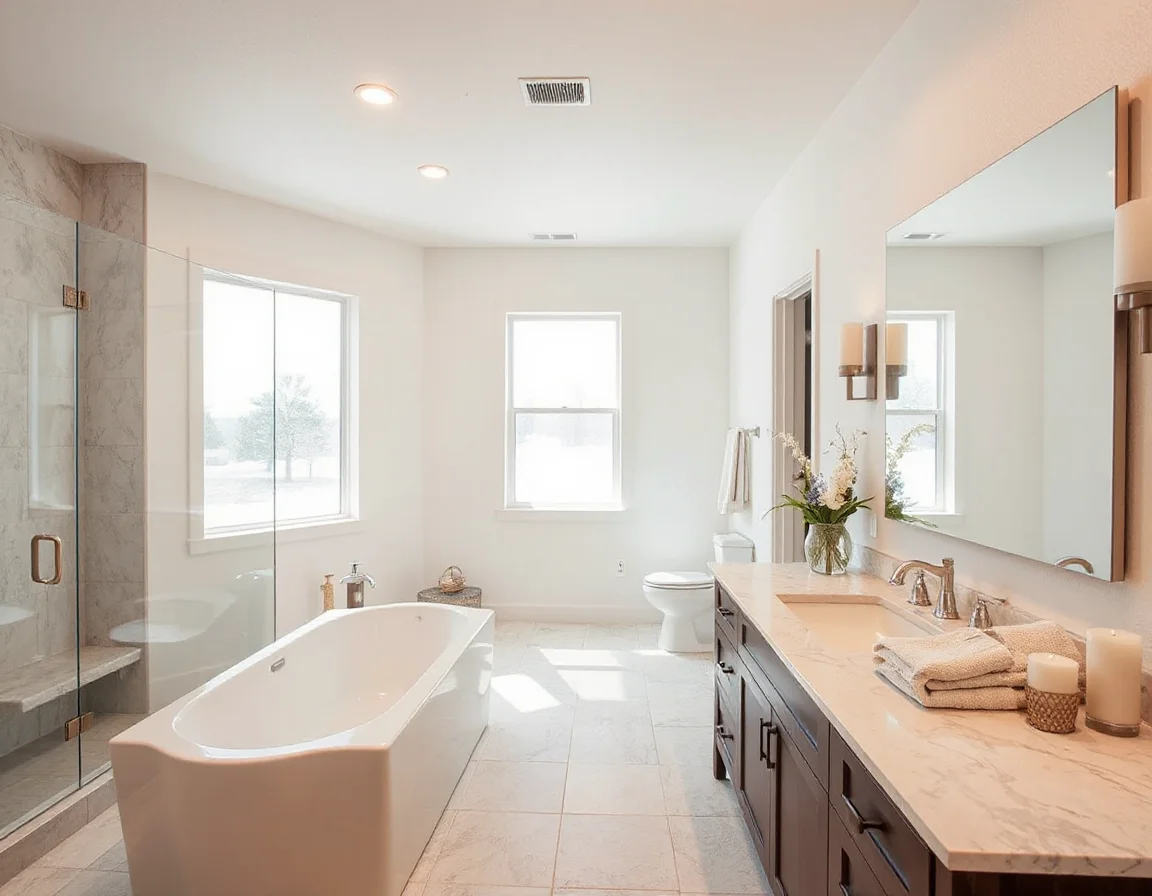
Odor is part of this category too. Buyers notice pet odors, heavy fragrance, mustiness, and stale air almost immediately, even if no one mentions it out loud during the tour. A clean-smelling home generally comes from actual cleaning, ventilation, and moisture control, not from trying to mask the issue with strong scents. Fresh air, clean textiles, and spotless drains usually make the biggest difference.
Utility spaces deserve attention because they quietly communicate the home’s maintenance story. A water heater area free of stored clutter, a wiped-down laundry room, and organized shelving can support buyer confidence. These are not glamorous spaces, but they are often where buyers look for reassurance that systems and routine upkeep have been handled consistently.
Even when the kitchen is updated, unresolved bathroom wear or a neglected utility area can pull attention away from the features sellers hoped would shine. Buyers tend to remember how a home felt overall, and that feeling is shaped by the entire path through the property, not just one room.
Prioritize what buyers notice first, then price and present the home strategically
The most effective pre-listing fixes are usually the ones that remove doubt early in the showing. Start with curb appeal, improve the entry sequence, clean up paint and trim, address visible flooring issues, and make sure bathrooms and utility areas feel fresh and complete. These updates do not have to be extravagant to matter. They simply need to reduce distractions so buyers can appreciate the home itself.
That is especially important in a market where buyers may be comparing condition, financing costs, and expected future maintenance all at once. Kelly Bishop’s background in lending and long real estate experience can be helpful when sellers are sorting through which repairs are likely to influence value perception and which ones may not move the needle. The goal is not to overdo it. The goal is to make smart, visible choices that support a stronger first impression.
When a home feels cared for from the driveway to the back hall, buyers are more likely to stay focused on its best features. And by the time they reach the kitchen, they are already seeing the property through a more favorable lens.